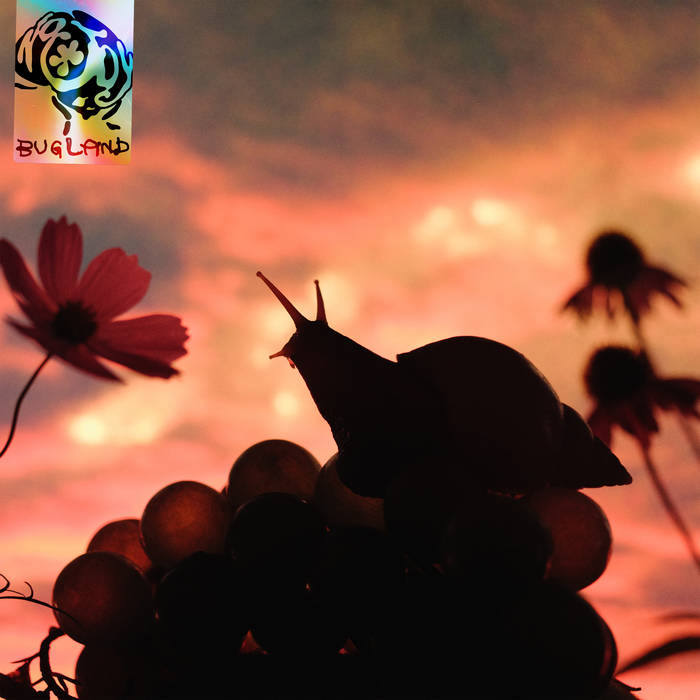
You might think of shoegaze as soft lyrics full of melancholy and weeping, loud, noisy guitars, distortion to the max, and dreams. And while this may be semi-true for No Joy’s “Bugland,” the album, rather than immersing us in a dream, starts us instead on an adventure.
A forest, the sea, a princess castle, the human body, death. This is the adventure “Bugland” decides to set its listeners upon, and well, it weirdly works. The tones of each song blend into one another without sounding the same or allowing you, the listener, to be in the same setting for the whole adventure.
As you venture on, your journey gets darker, more electronic, and gritty. Less a dream and more a nightmare. Less a heroic adventure and more a tragedy.
The difference between a dream and an adventure is like the difference between “The Lord of the Rings” and “The Chronicles of Narnia.” The latter is a surreal, unpredictable illusion, while the former, also at times unpredictable, still has a deep sense of reality to it. Dreams have no sense of reality; adventures feel like something that may have just existed in another time.
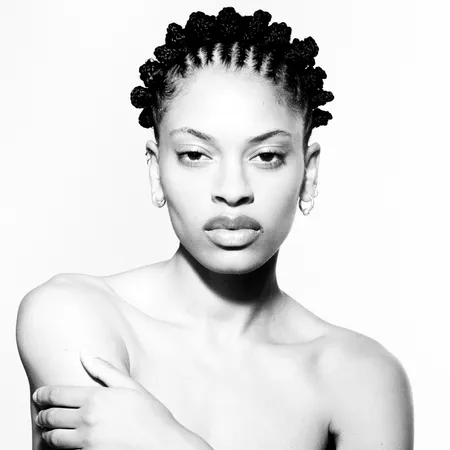
“Bugland” by Canadian Indie project, No Joy, was released last August. The band formed in late 2009 during the electro-pop obsession of the indie scene, but unlike most within that scene, No Joy has stayed with that genre.
No Joy explains this new world through that genre, which works for the adventure you are being put on. Bugland is the world you live in. It’s being destroyed, yet you are ignorant of it (just like the world of the hobbits in “The Lord of the Rings”). Why is it being destroyed? Power. Just like any adventure story.
You start in a forest. Life is good. You’re in love, maybe not romantically, but you’re in love with something. Life is quiet, exceptional, peaceful. The track “Garbage Dream House” is this illusion you are living. The forest, love, peace, is all an illusion. The house, the dream, represents an escape from Bugland and its garbage and ugliness.
Suddenly, in the very next song, “Bugland,” you open your eyes to realize the scummy world you live in. Bugland, the name of the album, song, and peaceful world you live in, is being destroyed, and you finally realize that. Something bad is happening in your world, and you must take action. This begins your adventure. You decide to bring your love with you to bring you company, just like a sidekick in an adventure.
The switch from the first to the second track is subtle yet violent. The etherealness of “Garbage Dream House ” is what creates that escapist tone. While in “Bugland,” the guitars are screaming, sounding as if they are being terrorized. “Bugland” is under attack.
In “Bits,” you finally get to leave the place you’ve been clinging to your whole life. While it is peaceful and cozy, you need more. This adventure is an excuse to leave. You’re looking back at your childhood, your life in the forest, as you may never see that place again. You feel freedom for the first time in your life, even if that first time is under uncertain circumstances.
This is when the album takes a turn and becomes that tragedy, which carries over more of an industrial-esque shoegazey route for the rest of the album rather than the dream-pop we have been listening to for the first four tracks. And though “Save The Lobsters,” the next part of the adventure, is harp-filled and calmer than the rest of the album, it has a darkness lying underneath its surface.
“Save The Lobsters” is a siren song. It’s meant to allure, and that’s what it does. The siren is an aquatic creature who sings the most beautiful song you have ever heard, and yet, it still eats you up. We begin in this ocean scene, somewhere unknown and foreign. You trust it and then you’re stuck. The song becomes darker, more distorted, and electronic. The siren got you. You’re suffering in the lobster trap.
“My Crud Princess” saves you from that siren. The song is ’80s teen girl pop meets shoe-gaze. The princess appears to be beautiful, and she is your savior. This song is cute and more conventional than any of the other songs on the album. Yet, there is crud. The princess is the crud of the land. She uses you and your love, whatever it may be, to get to Bugland and destroy your home. The one who saved you is the one taking over the land. Her beauty is how she gets to dictate the land. Everything goes downhill from here.
From the ’80s sound comes the 90s, so we begin the beginning of the end of our story in “Bather in the Bloodcells.” The guitars are up to the max, exquisite, and unpredictable. This song sounds like the last day of your life. The most optimistic you’ll be. Here we switch perspectives. We are your love in a hospital. A human body, a dead one. Hear a heart rate monitor flatline as the song starts, the light engulfs you. Though somehow, even after you die, you still feel alive.
Back to your perspective in “I Hate That I Forget What You Look Like.” Since your love died, you feel an unbelievable sense of grief. You know that they’re okay, that they’re where they belong, yet you can’t help but feel sorrow. The veil between your world and their world is thin; you can still feel them. The song starts with a calmer tone, yet feels as if you’re spiraling. You accept the death of your love, yet by the end of the song, you are still angry. You must take your revenge.
The final track, “Jelly Mellow Bright,” is that seven-minute revenge. In the beginning, you make your trek to the princess to slay her in the name of your love. During this time, you reminisce about your love and how they died, reminding yourself that you must do this. Then, the song turns into almost a black metal, shoegazy litter with a hint of jazz. (Sounds like what “Lost Highway” would be like if it were a song for all the Lynch fans.) This gritty, ugly hatred manifests into this and becomes the rest of the song, which is the complete opposite feeling promised in the song’s title. The showdown has begun, and the hatred festers.
The battle is eventually won. The guitar disappears, and all that is left are the soft electronics that have been repeating the whole song and the saxophone. The saxophone is your despair. You just killed someone. But you’re calm. You did this as an act of revenge. Of love. Your journey ends here.
Overall, “Bugland” is not just an album, but a personal journey. Its mix of shoegaze, elements of alternative and punk music, and electronics, this stylistic mishmash, takes you into an imaginative state, where you too can experience the world of Bugland and the story No Joy guides you on.